Troubleshooting Electric Generator Guide
Automatic Generators: The Essential Fix for Uninterrupted Power Supply
Standby generators serve as a vital safeguard from electricity outages. They function seamlessly, activating within seconds of an outage. Running on diverse fuels, these systems guarantee facilities stay running in times of crisis. Yet, grasping their utility and characteristics is vital for achieving a sound choice. Which factors must be reviewed before acquiring such a system? The next segments discuss these vital considerations.
The Mechanics of Backup Power: The Functionality

Automatic generators are vital systems that provide automatic backup power during outages. They are typically installed on the exterior of the property, linked to the main wiring and running on gas, propane, or diesel. When a power interruption occurs, the generator senses the power failure and starts up instantly. This process involves an ATS (Automatic Transfer Switch), which disconnects the home from the grid and connects it to the generator
(Portland Standby Generators)The unit subsequently generates power, providing energy to critical systems or the entire facility, depending on its capacity. Typically, these generators have a built-in monitoring system which ensures correct operation and servicing. These units run for long durations, offering a constant energy supply until utility power is restored. Grasping how backup generators work helps homeowners appreciate their role in enhancing energy security and minimizing disruptions in the event of unforeseen blackouts
Advantages of Owning a Backup System
Trustworthiness is a key feature of utilizing this type of generator, as it guarantees an uninterrupted power supply during blackouts. This vital function guarantees that facilities stay running, safeguarding important possessions and preserving convenience. Furthermore, standby generators enhance safety through the avoidance of electricity loss that may result in risky circumstances, such as burst plumbing or non-functional medical devices.
Value for money is a further advantage; while the primary expenditure may be considerable, the future financial benefits from preventing food waste, disrupted workflow, and emergency repairs can be significant. Moreover, backup power systems add value to the property, which makes them an desirable characteristic for prospective purchasers.
Convenience is also notable, as such systems automatically activate during an outage, removing the necessity for hands-on operation. This uninterrupted functionality allows users to continue try this their everyday activities without interruption. In summary, having a backup generator provides security, guaranteeing that power is constantly supplied when critical.
Essential Characteristics to Seek in a Standby Generator
When selecting a standby generator, multiple important characteristics should be considered to achieve the best results and suitability for specific needs. First, the power output is vital; potential users must determine the wattage required to run critical equipment during an outage. Furthermore, the power source—whether natural gas, LP, or diesel—impacts performance and running expenses.
An additional key element is the transfer switch, which facilitates seamless power changeover and enhances safety. Durability and build quality also matter; a sturdy unit can cope with extreme weather.
Moreover, noise levels should be assessed, as less noisy generators are ideal for home environments. A few units provide self-starting features, providing convenience during unexpected outages. To conclude, support and coverage details must be examined, offering trustworthy maintenance and maintenance. By evaluating these features, potential purchasers can pick a unit that meets their unique power needs effectively.
Key Points to Review Before Purchase
Before committing to a standby generator, potential buyers should carefully evaluate a few vital considerations to confirm they arrive at an informed decision. Portland Standby Generators. Initially, they must evaluate their energy requirements by estimating the needed power to run important appliances during an outage. Next, the type of fuel is critical; choices are natural gas, propane, or diesel, all having distinct benefits and supply concerns
Moreover, buyers should consider the generator's transfer switch, which allows for smooth energy changeover. Installation requirements are also important, since certain models may necessitate expert setup or obtaining necessary permits
The warranty and support options deserve close attention, as these can greatly impact your satisfaction over time. Lastly, those considering a purchase must check the level of noise produced, particularly if they reside in residential areas. When reviewing these aspects, customers may pick a backup power unit that perfectly suits their unique needs and expectations
How to Maintain Your Standby Generator
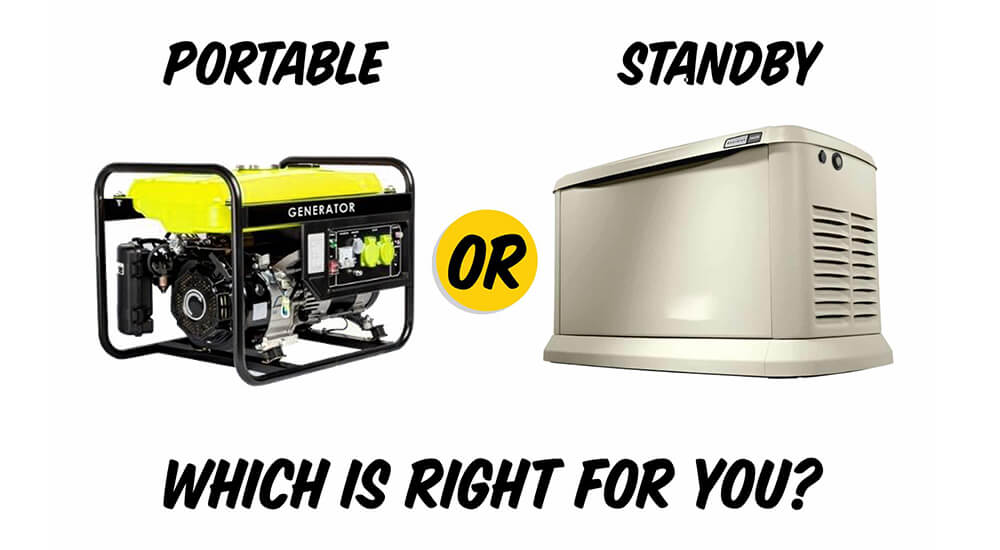
Routine servicing is crucial for guaranteeing ideal performance and longevity of a standby generator. Start by examining the oil level in the unit, changing the oil and filter according to the manufacturer's recommendations. Make sure to check the air filter replacing it if required to ensure proper air circulation. You should also test the battery and clean any corrosion on terminals to ensure it starts reliably.
Conduct periodic load tests to confirm the generator can handle its rated capacity. In addition, check that the exhaust system is free of obstructions and leaks. Maintaining a clean, debris-free generator will help prevent overheating and other issues.
As a final step, schedule professional maintenance yearly to handle potential issues and carry out detailed inspections. Adhering to these upkeep guidelines will significantly prolong the life of a standby generator, providing peace of mind during power outages.
Common Questions
What is the Average Cost of Standby Generators?
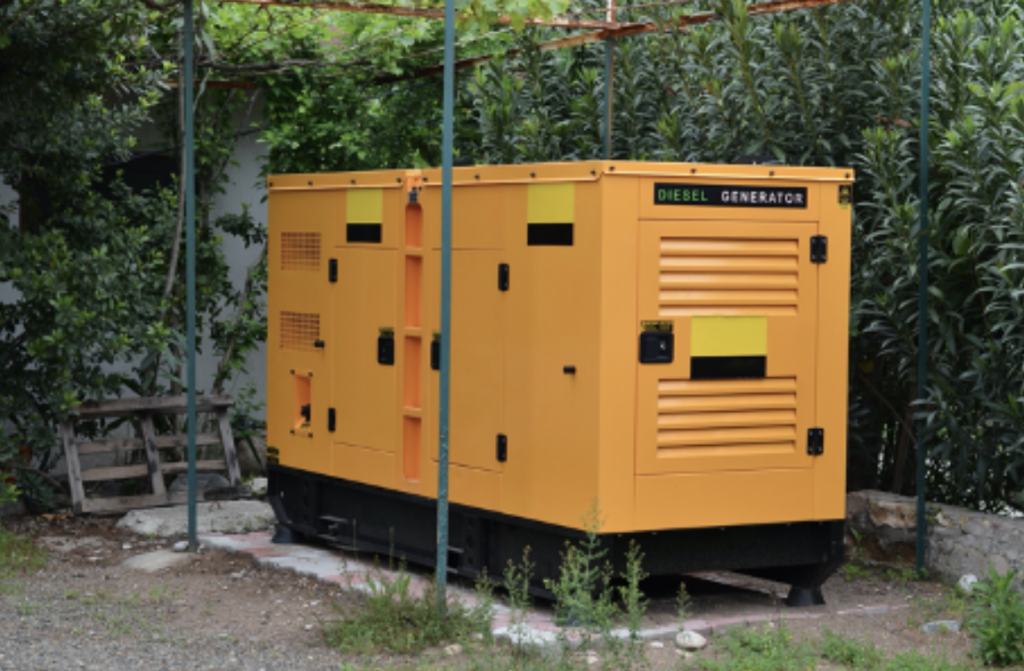
Standby generators typically cost from $2,000 to $15,000, influenced by factors including brand, power capacity, and how complex the installation is. Additional expenses may include permits, fuel tanks, and maintenance, influencing the overall investment required.
Is Self-Installation of a Standby Generator Possible?
It is possible to install a standby generator yourself, though it demands familiarity of electrical systems and local codes. Many recommend hiring a professional to guarantee safety, conformance, and the best operation of the generator installation.
What Fuels Do Standby Generators Use?
Standby generators commonly run on energy sources such as diesel, natural gas, propane, or gasoline. Portland Standby Generators. The choice of fuel often depends on availability, cost, and specific energy needs, affecting the operation and efficiency of the generator
Do I Need Permits for Installation?
Permits are frequently necessary for the installation of standby generators. Regulations vary by location, so it is essential for homeowners or contractors to consult local authorities to guarantee compliance with all relevant codes and requirements.
For What Duration Can a Standby Unit Operate Continuously?
A standby generator can run continuously for a range of periods, typically ranging from 24 to 48 hours, depending on fuel supply and load demands. Routine upkeep ensures maximum efficiency and durability during prolonged periods of use.